The circular economy and waste in Qatar: from sorting at source to energy
Ministerial decisions requiring companies to sort waste, a ban on single-use plastic bags and a 95% recycling goal for 2030. What it means for your daily operations.
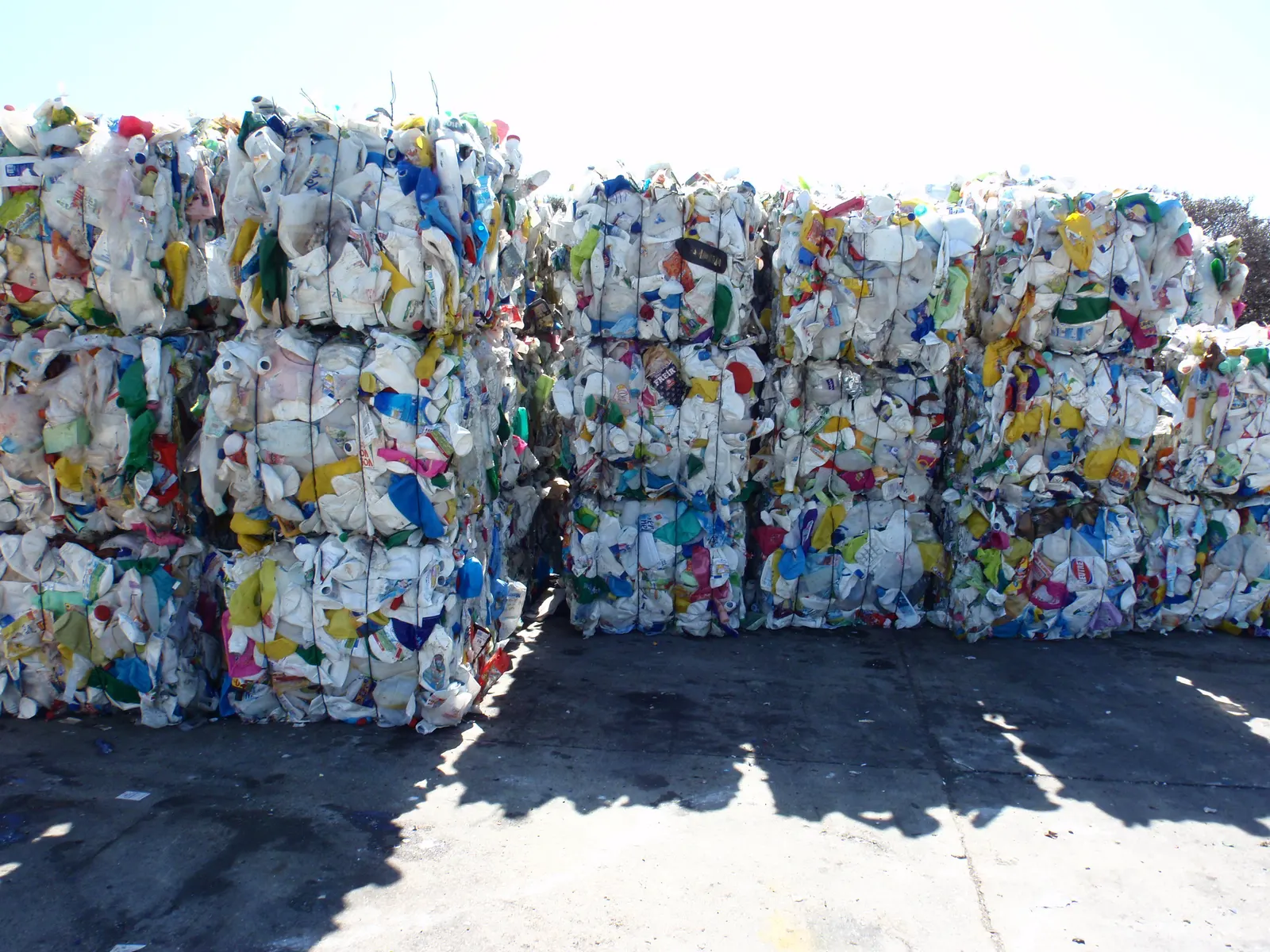
When SMEs in the 2025 survey were asked about their top environmental priority for the coming years, 44% chose waste reduction and recycling. Yet the same survey found that 46% recycle nothing or no more than 1% of their waste, and 32% do not know how much they produce. The intention is there; practice has not caught up.
The national framework
Improving waste management and building a circular economy is one of the five priority areas of the National Environment and Climate Change Strategy. In 2023 the Minister of Municipality spoke of a goal of reaching a 95% recycling rate by the end of 2030, noting that about 54% of household waste is already recycled or converted to energy and fertiliser. According to the minister, each resident produces 1.3 kg of waste a day.
What companies must do today
- Sorting at source: Ministerial Decision No. 170 of 2021 required institutions and companies to provide waste sorting containers, two inside and outside their premises, from 1 October 2022, with penalties after that date.
- Plastic bags: Ministerial Decision No. 143 of 2022 regulates single-use plastic bags. It took effect on 15 November 2022, with reusable or biodegradable alternatives. Municipal health control sections still enforce it, and bags must carry a symbol showing their type.
Where the waste goes
The Domestic Solid Waste Management Centre in Mesaieed receives about 2,200 tonnes a day and exports up to 48.8 MW of electricity to the national grid, with plans to expand to between 2,500 and 3,000 tonnes a day. Part of what your company throws away comes back as electricity. But material that is sorted well at source is worth far more than what is burned.
A waste baseline in 30 days
A company does not need a complex system to know its waste. One month of organised tracking is enough:
- Week one: map every point where waste is generated at each site, and name someone responsible for each.
- Week two: weigh bins, or estimate how full they are, every day, and record the type: cardboard, plastic, organic, mixed.
- Week three: review the collection contract and the data the contractor provides, and check where each type ends up.
- Week four: add up the numbers, identify the largest stream, and choose one action to reduce it next quarter.
Suppliers are part of the answer
In the open answers to the 2025 survey, companies repeatedly mentioned a shortage of sustainability-aware suppliers and of sustainable supplies. A company cannot close the loop alone. A practical start is to write simple requirements into purchase contracts: less packaging, or packaging that is reusable or recyclable, and a supplier willing to take back pallets and containers. Over time these requirements become a standard that suppliers compete on.
From disposal to a loop
The circular economy starts before waste exists: in design and purchasing. A few questions help any company move forward:
- What are our three largest waste streams by weight or cost? Usually cardboard, plastic and organic waste.
- Does our collection contractor report monthly weights by type? If not, ask for it in the next contract.
- Can suppliers take back packaging or pallets?
- Is paper necessary? Several companies in the 2025 survey said customer demand for hard copies holds back their waste reduction.
What this means for your company
Complying with the two ministerial decisions is the minimum. The next step is measurement: a monthly weight for each waste stream and the share recycled. With those two numbers a company can set a target and speak with confidence to customers and regulators.
For retailers and restaurants in particular, the plastic bag decision is not just a compliance item but a chance to talk to customers: a reusable alternative carrying the company’s name, and a clear message at the point of sale. Weak customer demand topped the barriers companies named in the 2025 survey, and awareness at the till is one practical way to change it.
Waste is the top priority for Qatari companies according to the 2025 survey, and the 2027 national survey will show whether that priority has turned into numbers. Take part, and present your company’s experience in the third edition of the book.
Sources
Every figure in this article comes from the sources below. Links checked in November 2026.
- Much focus on waste recycling in national strategy for environment
- 54% of waste recycled and converted to energy, fertiliser: minister
- Sorting waste at source must for firms from Oct 1: ministry
- Ministry of Municipality announces controls for single-use plastic bags
- Qatar ramps up efforts to curb single-use plastic bags
- Domestic Solid Waste Management Centre in Mesaieed: clean environment and sustainable circular economy
- الاستدامة البيئية للشركات – تقارير وإنجازات، النسخة الثانية، الفصل السادس (ص 71–72 و91 و94 و97)