Solar power and energy efficiency: what has changed for companies in Qatar
Plants totalling nearly 1,700 MW, a 4,000 MW target for 2030, and a service that lets factories and buildings connect rooftop panels to the grid. Solar is no longer only a government file.
A few years ago, solar power in Qatar was a promising project. Today it is part of the grid, and Kahramaa has opened the door for buildings to generate their own power. Here are the main changes, and what they mean for a manager who pays an electricity bill every month.
From Al Kharsaah to Dukhan
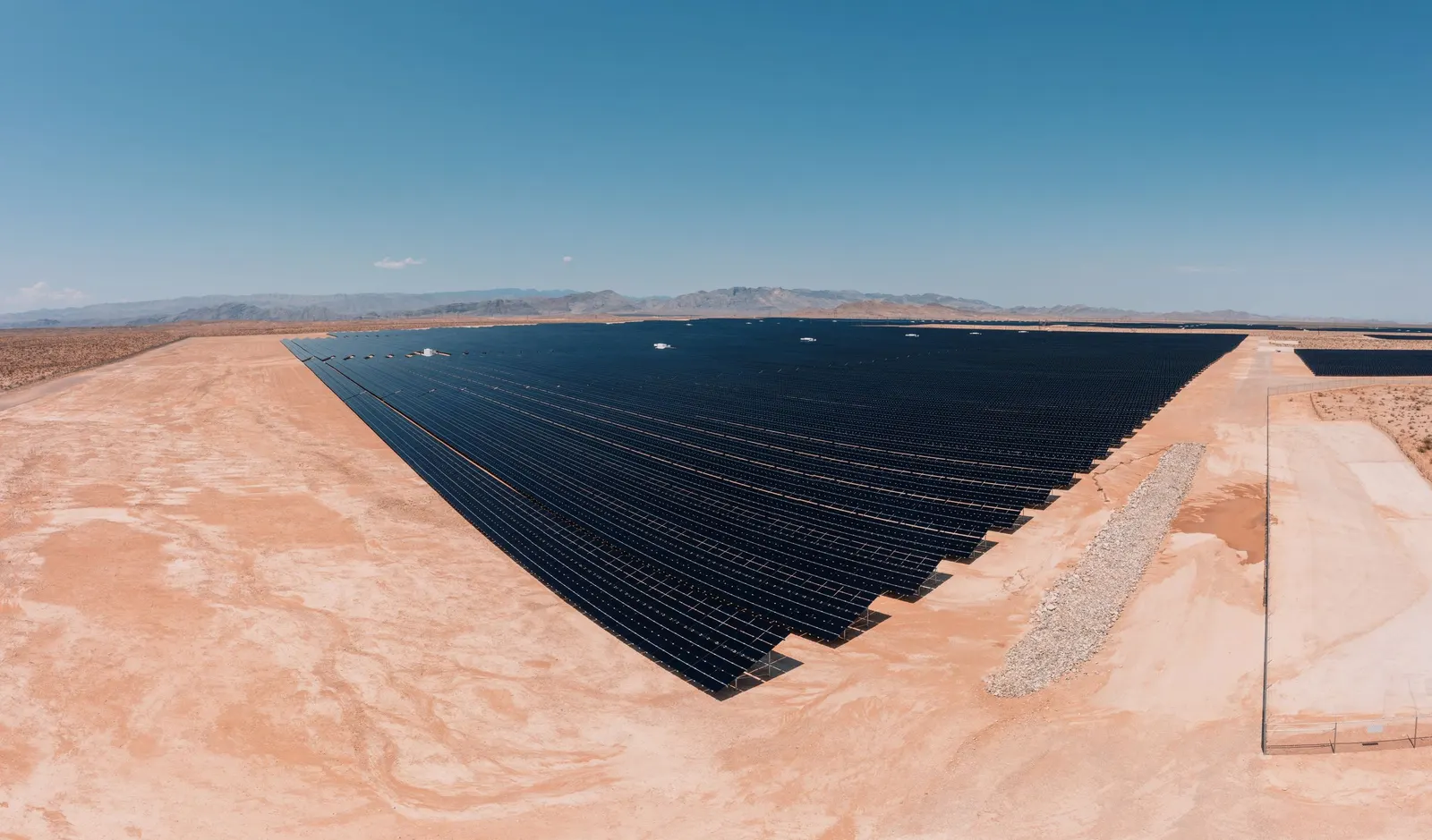
- October 2022: the 800 MW Al Kharsaah solar plant opened. It can supply about 10% of peak electricity demand.
- April 2025: the Ras Laffan and Mesaieed industrial city plants, 875 MW combined, were inaugurated, taking national solar capacity to nearly 1,700 MW.
- September 2024: QatarEnergy announced the 2,000 MW Dukhan solar plant.
The stated aim is to raise solar capacity to about 4,000 MW by 2030, around 30% of local electricity production.
BeSolar: power from your own roof
In August 2024 Kahramaa launched BeSolar, a service for distributed solar systems. It lets homes, farms, ezab, factories and all other properties install solar panels and connect them to the grid. A bidirectional meter measures the surplus exported to the grid, and its value is credited on the bill. Installation is done through Kahramaa-authorised contractors.
For a warehouse or factory with a large roof, this means part of daily consumption can come from the site itself. Before deciding, ask an authorised contractor for a feasibility study and compare the system cost with last year’s bills.
Questions before you install
- Does the company own the roof or lease it? How long is left on the lease compared with the life of the system?
- Can the roof carry the weight, and is there enough unshaded area?
- When does your site use power? The more consumption falls in daylight hours, the greater the benefit.
- Who will clean and maintain the panels? Dust reduces output in our climate, and maintenance is part of the real cost.
Energy in your sustainability report
Energy use is one of the first environmental indicators in the disclosure guide the Qatar Stock Exchange issued in 2016, and it is the basic input for Scope 2 emissions under the GHG Protocol. So every efficiency or solar project should be documented with three numbers: consumption before, consumption after, and the electricity generated on site or exported to the grid. With those figures a project stops being a story in an internal newsletter and becomes an indicator in a report that investors and lenders read.
Efficiency first
The cheapest kilowatt-hour is the one you never use. Kahramaa’s Tarsheed programme shows this: in 2020 alone it saved 289 GWh of electricity and 32 million cubic metres of water, worth about QR300 million.
The programme’s second phase, covering 2018 to 2022, aimed to cut per-capita electricity use by 8% and water use by 15%. Those are national goals, but they give companies a reasonable sense of what conservation alone can deliver.
By contrast, only 6% of the SMEs in the 2025 survey had installed energy-saving equipment, while 90% had not. The gap is large, and most of the steps to close it are simple:
- Lighting: switch to LED, with motion sensors in warehouses and corridors.
- Cooling: regular air-conditioning maintenance, sensible set points, and shading or insulation for sun-facing roofs and windows.
- Meters: read each meter monthly and compare it with the same month last year.
- Equipment: write efficiency into your next purchase specifications rather than replacing everything at once.
What this means for your company
As solar plants lower the grid’s emissions intensity, every company’s Scope 2 emissions benefit, but that does not replace action inside the business. A company that starts with efficiency and then looks at on-site generation cuts its bill and its emissions together, and has a story worth telling.
Start with one small, measurable step: pick one site, gather twelve months of electricity bills, apply two measures from the efficiency list above, then compare consumption with the same month a year earlier. The result, however modest, is the first real number in your company’s energy story and the basis for any later decision on solar panels.
If your company has a solar or efficiency project, the book «Corporate Environmental Sustainability: Reports and Achievements» documents experiences like it, and the national survey measures how widespread they are among Qatari companies.
Sources
Every figure in this article comes from the sources below. Links checked in November 2026.
- Amir inaugurates 800MW Al Kharsaah solar plant
- Qatar’s solar energy production capacity to reach 4,000 megawatts by 2030
- QatarEnergy announces new 2,000 megawatt solar project at Dukhan
- Kahramaa launches BeSolar service for distributed solar energy systems
- Guidance on ESG Reporting, Version 1.0
- Tarsheed 2nd phase aims to further cut water, power use
- Tarsheed cuts per capita water, power consumption by 18%
- الاستدامة البيئية للشركات – تقارير وإنجازات، النسخة الثانية، الفصل السادس (ص 68)